
Surviving the ICE Age
Children of Immigrants in New York
Deportations, detentions and immigration arrests hurt U.S. citizens

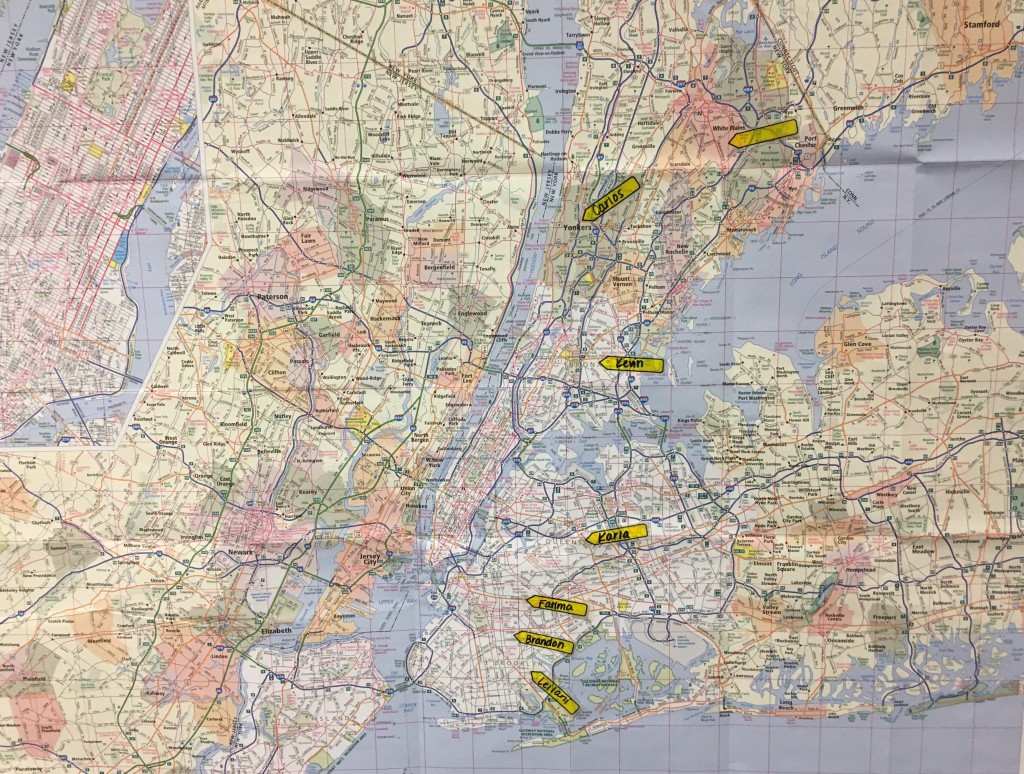



Since the establishment of ICE in 2003, enforcement has had rippling effects on immigrants and members of their families and communities. Surviving the ICE Age takes a unique approach to explaining why restrictive policies are bad for U.S. citizens. Using interviews with more than 100 young adults in New York, sociologist Joanna Dreby explores how a generation raised during a peak of U.S. immigration enforcement activities have fared. She shows a set of inherited policy burdens to have widespread and pervasive impacts, even among those we might otherwise suspect to be unaffected.
Overall, the book shows that:
- U.S. immigration policy creates problems across generations no matter one’s citizenship or legal status.
- Silencing of migration stories is the most pervasive impact.
- Longstanding effects on well-being occur when enforcement episodes disrupt children’s webs of social relationships.
- Migratory control efforts cause young adult U.S. citizens to live with risk and lack the right to belong.
- Communities cannot fully prevent ICE from targeting their members.
It also pinpoints ways to reduce generational harms by:
- Owning and SHARING migration stories
- HALTING practices that disrupt children’s households and families
- Designing immigration policies that CENTER children and their rights
- Supporting YOUTH MOBILITIES at all ages
- Offering RESOURCES directly to children through schools and community programming
Table of Contents
Preface
Acknowledgments
Glossary of Terms
Featured Participants
Introduction: The Generational Problems of Immigration Enforcement
1
Silencing Hush-Hush by Rachel
2
Disrupting Childhood Relational Contexts August 27, 2007 by Wayner Jimbo
3
Sons and Daughters in Immigrant Families Nostalgia by Falmari Rojas
4
Race, Risks and the Right to Belong Where I am From, poems by Grismely Taveras and Anonymous
5
Communities
Conclusion: Enduring Enforcement
Appendix A – On a Sociologist Studying Trauma
Appendix B – On the Data with Myia Samuels
Appendix C – On Freirean Dialogue with Eric Macias
References
Index
Reviews
★★★★★
“The 1.2 million US deportations from 2014 to 2024 are more than a statistic. They are a compendium of 1.2 million tragedies. In Surviving the ICE Age, Joanna Dreby harnesses her formidable ethnographic skills to vividly depict the pain, suffering, and trauma inflicted on the children of New York’s immigrants, most of whom are US citizens. It offers a sobering chronicle of the damage being done to the next generation of Americans that should be read by all.”
—DOUGLAS S. MASSEY, Henry G. Bryant Professor of Sociology and Public Affairs, School of Public and International Affairs, Princeton University
★★★★★
“Joanna Dreby and her team powerfully illuminate the profound generational burdens of immigration enforcement. Surviving the ICE Age reveals how silencing, disruption of childhood relationships, and challenges to belonging shape development long after enforcement episodes occur. As we face increasingly virulent anti-immigrant policies, this compassionate and urgent book reveals what is truly at stake for the next generation when we prioritize deportation over humane immigration reform.”
—CAROLA SUÁREZ-OROZCO, professor in residence and director, Immigration Initiative, Harvard Graduate School of Education
★★★★★
“Joanna Dreby’s Surviving the ICE Age is a compelling and deeply textured exploration of the profound and often overlooked effects of immigration enforcement on immigrant children’s lives and futures. Timely and essential, this book offers a powerful account of a critical issue, making a major contribution to our understanding of its human cost—and to the migration literature. An important work from a distinguished social scientist.”
—MICHAEL FIX, senior fellow and former president, Migration Policy Institute
Designed with WordPress

